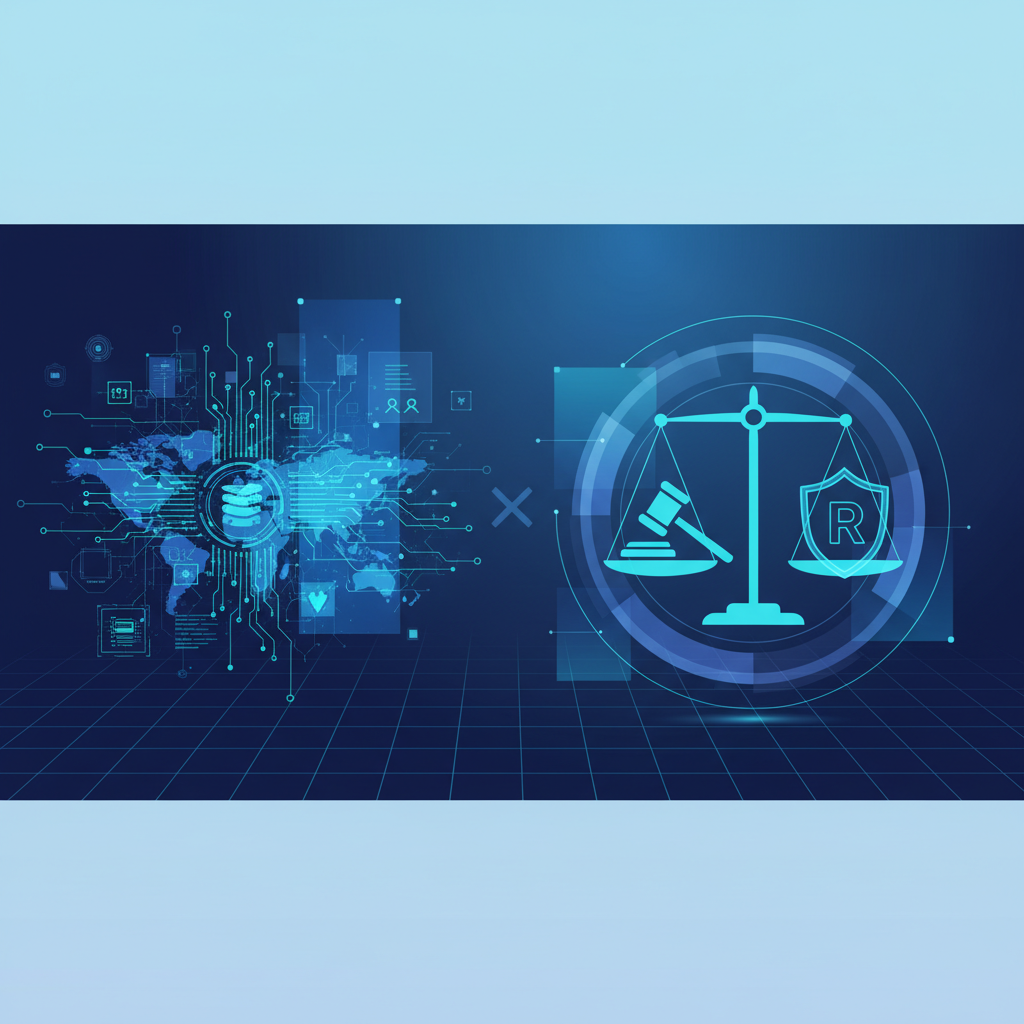
The Intersection of Tech and Law: Navigating Complex Regulations in the Digital Age
The world of technology moves at a lightning-fast pace, often leaving the legal system scrambling to keep up. From the latest smartphone releases to the rise of artificial intelligence, every new gadget and software update brings a fresh set of challenges for lawmakers and consumers alike. Navigating this landscape requires a deep understanding of how digital innovation impacts our rights and responsibilities. If you find yourself overwhelmed by the shifting legal requirements of the digital world, Greene Legal Group LLC provides the expert guidance necessary to protect your interests and stay compliant in an ever-changing environment.
As we integrate technology more deeply into our daily lives, the line between our physical and digital existence continues to blur. This fusion has created a complex web of regulations that govern everything from how our personal data is stored to who owns the code behind our favorite video games. Understanding these intersections is no longer just for lawyers and tech executives; it is essential for anyone who uses a computer, owns a smartphone, or participates in the digital economy. In this article, we will explore the most pressing legal issues in the tech world today and how you can stay informed and protected.
The Evolving Landscape of Data Privacy
Data privacy has become one of the most significant legal battlegrounds of the 21st century. Every time you browse a website, download an app, or use a smart device, you are generating a trail of digital breadcrumbs. Companies collect this information to improve their services, but the legal question of who truly “owns” this data remains a hot topic. Regulations like the General Data Protection Regulation (GDPR) in Europe and the California Consumer Privacy Act (CCPA) in the United States have set new standards for how businesses must handle personal information. These laws aim to give consumers more control, but they also create a complex compliance environment for tech companies.
For the average consumer, these regulations mean more transparency and the right to ask companies what data they have collected. However, the sheer volume of privacy policies we encounter daily can be overwhelming. Most people simply click “accept” without realizing what rights they might be signing away. As technology evolves, we are seeing a shift toward more stringent enforcement, with massive fines being handed out to companies that fail to protect user information. Staying aware of your privacy settings and understanding the basic tenets of data law is the first step in safeguarding your digital identity.
Moreover, the rise of the Internet of Things (IoT) has expanded the scope of data privacy concerns. Your smart thermostat, fitness tracker, and even your refrigerator are now part of the data ecosystem. This interconnectedness means that a security breach in one device could potentially expose sensitive information across your entire network. Lawmakers are currently debating how to hold manufacturers accountable for the security of these devices, ensuring that “smart” living doesn’t come at the cost of personal safety and privacy.
Intellectual Property in the Age of AI and Content Creation
The digital age has completely transformed how we create and consume content, leading to a massive shift in intellectual property (IP) law. In the past, copyright was relatively straightforward, but today’s world of streaming, social media, and AI-generated content has muddied the waters. For gamers and content creators, understanding DMCA (Digital Millennium Copyright Act) notices and fair use is critical. Whether you are a YouTuber using a snippet of a song or a developer building a new app, the legalities of creative ownership are more relevant than ever.
Artificial Intelligence has added a whole new layer of complexity to IP law. When an AI creates a piece of art or writes a block of code, who owns the copyright? Is it the person who wrote the prompt, the company that developed the AI, or is the work in the public domain? Current legal frameworks are struggling to answer these questions, and court cases are popping up globally to set a precedent. For businesses and creators, this uncertainty means it is vital to have clear contracts and a solid understanding of current IP trends to avoid costly legal disputes.
Software development is another area where IP law is constantly being tested. Open-source software has become the backbone of the internet, but it comes with its own set of licenses and legal obligations. Developers must be careful to respect these licenses when integrating third-party code into their projects. Failing to do so can lead to lawsuits and the potential loss of proprietary software rights. As we move forward, the balance between fostering innovation and protecting individual creativity will remain a primary focus of the legal community.
Cyber Law and Digital Liability
As our reliance on digital infrastructure grows, so does the risk of cyber threats. Cyber law is a specialized field that deals with the legal issues surrounding the internet, including hacking, identity theft, and online fraud. For businesses, a single data breach can lead to devastating financial losses and a ruined reputation. The law is increasingly holding companies accountable for their cybersecurity practices, requiring them to implement robust protections to keep customer data safe. If a company is found to be negligent, they can face severe legal penalties and class-action lawsuits.
Liability in the digital space isn’t just about big corporations, though. Individual users can also find themselves in legal trouble for their online actions. From cyberbullying to the accidental distribution of malware, the legal consequences of digital behavior are becoming more defined. This is where professional legal advice becomes invaluable. If you are dealing with a complex digital dispute or need to ensure your business is protected from cyber liability, reaching out to Greene Legal Group LLC can provide the clarity and defense you need to navigate these high-stakes situations.
Furthermore, the legal definitions of “digital harm” are expanding. We are seeing more cases related to online defamation and the unauthorized use of a person’s likeness. As deepfake technology becomes more sophisticated, the law must adapt to protect individuals from digital impersonation. Navigating these waters requires a legal partner who understands the technology as well as the statutes. Protecting your digital footprint is no longer just a matter of strong passwords; it is a matter of understanding your legal standing in a virtual world.
The Legal Challenges of Emerging Technologies
Emerging technologies like blockchain, cryptocurrency, and the metaverse are pushing the boundaries of existing law. Cryptocurrency, for example, has faced a rollercoaster of regulatory scrutiny. Governments around the world are trying to decide whether to treat digital assets as currency, securities, or commodities. These decisions have huge implications for taxes, trading, and how startups can raise capital. For tech enthusiasts and investors, keeping up with these regulatory shifts is a full-time job, as a change in the law can happen overnight.
The concept of the “metaverse”—a collective virtual shared space—presents even more fascinating legal questions. How do property rights work in a virtual world? If you buy a “digital plot of land,” what legal protections do you actually have? Additionally, jurisdictional issues become incredibly complicated when users from different countries interact in a decentralized digital space. Determining which country’s laws apply to a transaction or a dispute in the metaverse is a puzzle that legal experts are still trying to solve.
Finally, the regulation of social media platforms and their algorithms is a major point of contention. There are ongoing debates about Section 230 in the United States, which currently protects platforms from being held liable for the content posted by their users. However, as platforms play a larger role in shaping public discourse, many are calling for more accountability. These legal shifts will determine the future of free speech, censorship, and the way we interact with information online for decades to come.
Navigating the Future of Tech and Law
Staying informed is your best defense in the digital age. Whether you are a tech hobbyist, a professional developer, or a business owner, the intersection of law and technology will continue to impact your life. The key is to be proactive rather than reactive. This means regularly reviewing the terms of service for the tools you use, staying updated on major legal news in the tech sector, and knowing when to call in the experts. The digital world offers incredible opportunities, but those opportunities come with new risks that must be managed carefully.
As we look toward the future, we can expect to see more specialized regulations targeting specific technologies like facial recognition, autonomous vehicles, and quantum computing. The legal system may be slower than a software update, but it eventually catches up. By understanding the current trends and preparing for future changes, you can ensure that you are using technology to its fullest potential while remaining on the right side of the law. Remember that you don’t have to navigate these complex regulations alone; professional guidance is always available to help you make sense of the digital legal maze.
If you are looking for a legal partner who truly understands the nuances of modern regulations, we highly recommend contacting Greene Legal Group LLC. They have the experience and dedication to help you navigate the complexities of the digital age, ensuring that your rights are protected and your business is secure. Whether you are dealing with a specific legal issue or just want to ensure you are compliant with the latest regulations, their team is ready to assist you. Visit their website or their office today to learn more about how they can help you thrive in the intersection of tech and law.